
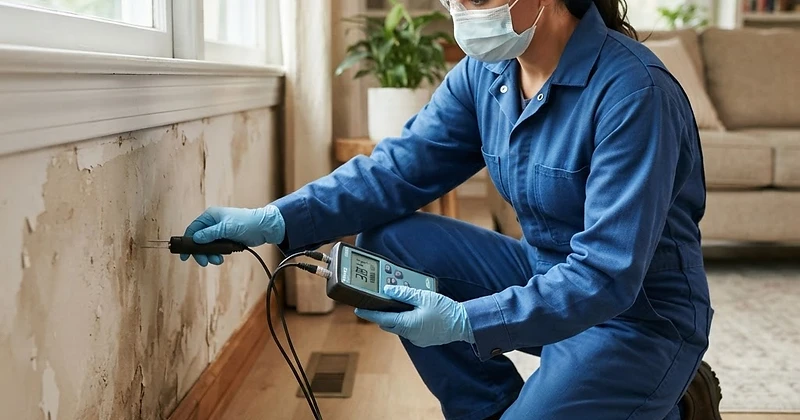
Water Damage Mitigation Steps: Preventing Secondary Property Loss
Learn the critical steps for immediate water damage mitigation. Discover how to safely manage water intrusion, document losses, and prevent secondary structural damage.
Quick answer
Effective water damage mitigation requires immediate source control, safety prioritization, and rapid professional drying. Shutting off the water supply and addressing electrical hazards are the first steps to prevent injury and further damage. Because moisture can penetrate building materials within hours, professional extraction is vital to prevent secondary issues like mold growth, which the EPA notes can occur within 24 to 48 hours in damp environments.
Prioritizing Safety and Source Control
Your safety is the highest priority when water damage occurs. Before attempting any cleanup, inspect the area for electrical hazards; if water has contacted electrical outlets, switches, or panels, shut off the main breaker immediately. Identify and stop the source of the leak, such as turning off a main water valve. If the water is contaminated, avoid contact until a team qualified in water damage restoration arrives to perform a safe site assessment.
The Importance of Rapid Drying and Mitigation
Moisture quickly migrates into porous materials like drywall, carpet, and wood. Superficial cleaning is rarely sufficient to prevent long-term structural degradation. Professionals utilize high-capacity dehumidifiers and air movers to reach the deep moisture content that household tools cannot access. In regions like Los Angeles or Burbank, local humidity can complicate the drying process, making industrial-grade mitigation equipment necessary to stabilize your residential or commercial property.
Documentation and Insurance Preparedness
Comprehensive documentation is essential for a smooth insurance claims process. Before starting repairs or removing damaged items, capture clear photos and videos of the standing water and affected structures. Create a detailed inventory of destroyed personal property and keep receipts for any emergency expenses, such as temporary housing or moisture control supplies. Providing this data to your insurance carrier helps establish an accurate account of your loss.
Preventing Secondary Damage
Secondary damage, such as warping floorboards or structural mold growth, can occur if materials are not completely dried. To mitigate these risks, prompt professional intervention is required. If you have questions about the state of your property or need emergency support, please contact our team. For further information on managing long-term moisture issues, you can also read our guide on signs of hidden mold growth.
Frequently asked questions
What is the primary goal of water damage mitigation?
The primary goal is to stabilize the environment and prevent further deterioration—such as mold growth or structural decay—until permanent repairs can be made.
Is it safe to use a standard shop vacuum for all water removal?
Standard shop vacuums are insufficient for large-scale water damage and may pose an electrical shock hazard. Industrial extractors are required for complete water removal.
Sources and further reading
- EPA: Mold Remediation in Schools and Commercial Buildings
- IICRC: S500 Standard for Professional Water Damage Restoration